Talk to us
Grand Harbour
Kalkara is a working creek: a family-run boatyard, pontoons and moorings, and boats coming in and out for repairs. A shrink wrap cover keeps your boat clean and dry on the hard while the work gets done.
Kalkara Creek is the second inlet on your left as you come into Grand Harbour, across the water from Valletta. The boatyard here has a boat hoist of around 40 tonnes and offers the full run of repair trades — woodwork, steelwork, engines, electrics and refrigeration — with pontoons and moorings in the creek alongside. It’s a smaller, more hands-on yard than Manoel Island, and many owners winter here while the work is done.
Repair work is messy. While one trade is grinding fibreglass on the transom, another is varnishing in the saloon and a third is fitting a new hatch. Dust and overspray go everywhere, and on the hard the Grand Harbour wind carries it across the yard. A cover over the parts of the boat that aren’t being worked on — or a sealed enclosure around the part that is — keeps the clean-up bill down.
Around Kalkara
The usual problems
A cover over the deck and superstructure keeps the yard dust off while the trades work on the hull, engine or interior.
We can build a small enclosure around just that section — the transom, a deck repair, a coachroof — so the dust stays where the work is.
A cover can go on afloat, so a boat on a creek mooring stays clean and dry through the winter without daily checks.
The approach
At a yard like Kalkara, the trades come first. We find out from the yard and the owner what work is planned, then frame the cover so the trades can still get to it — through zipped doors, or with an open section where the work is. The cover goes on once the boat is settled on the hard and comes off when the yard says she’s ready to go back in.
For boats staying afloat on the creek moorings, the cover is fitted from a tender or the pontoon, banded to the boat and vented for the damp that comes up from the bilge in winter.
Before we quote
At the Kalkara boatyard we survey on the hard, once we know what work the yard has planned. We measure the vessel, work out the frame, the film area, the vents and the doors — and the number you get back is the number you pay. No provisional sums, no “subject to access”.
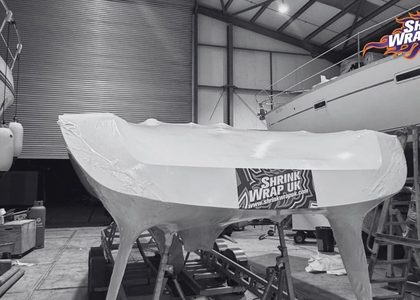
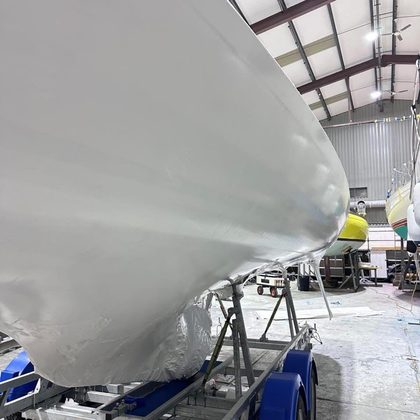
Illustrative of a typical repair-period cover. Your own survey happens in Kalkara — or starts from photos, if you’d rather.
Start from your phone
Not every Kalkara job needs a visit to get going. Send a couple of photos and tell us what work the yard is doing and which parts need to stay accessible, and an installer will tell you what’s involved — including when shrink wrap isn’t the right call.
Whole item in frame, plus one close-up of the access side.
WhatsApp or email, with what work the yard is doing and which parts need to stay accessible.
Approach, timescale and a price, in plain English.
Finished covers
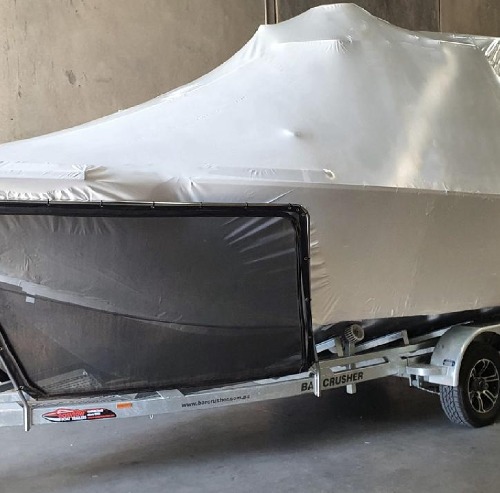
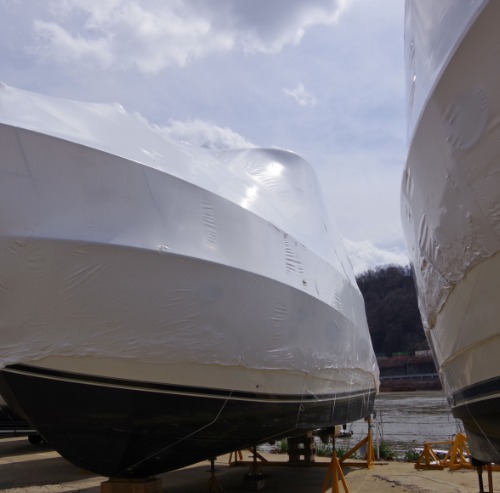
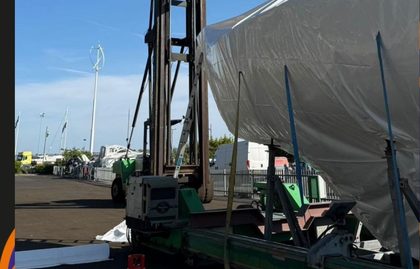
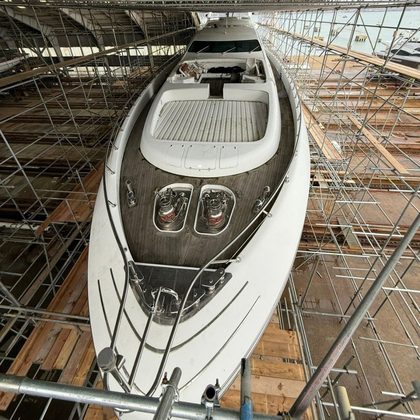
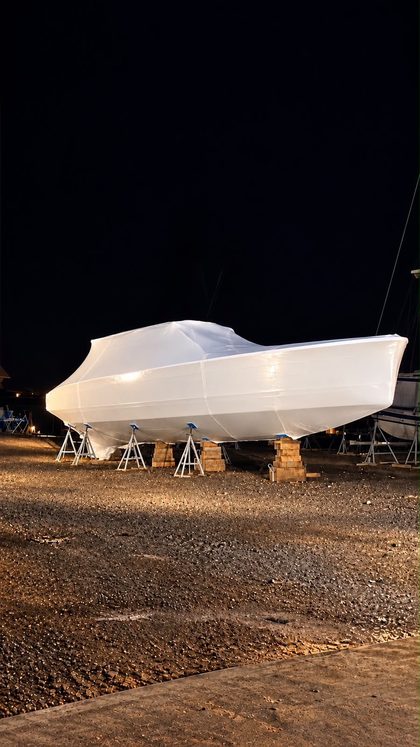
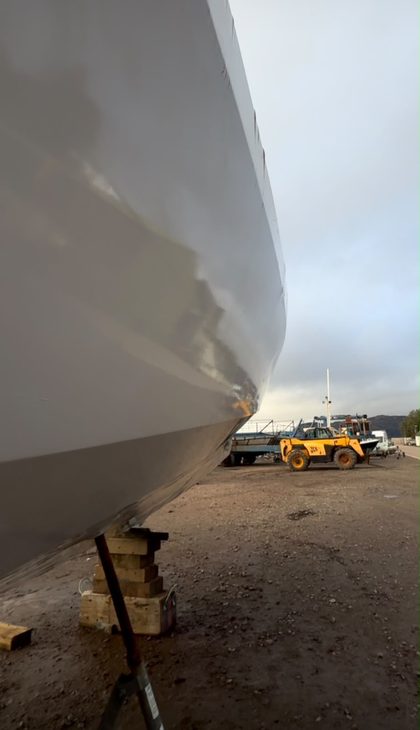
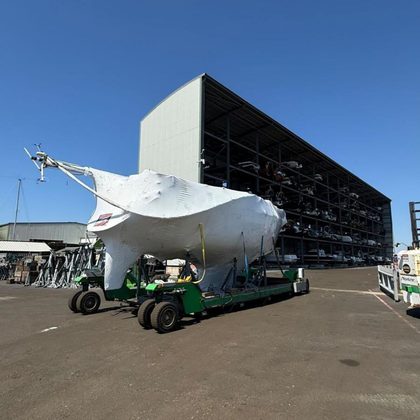
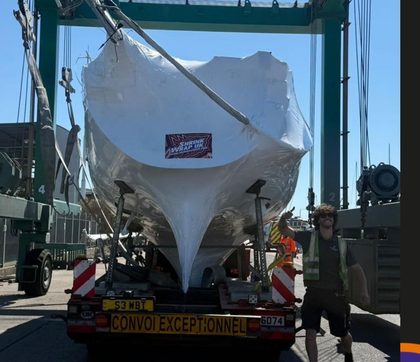
Tight, smooth, framed clear of the boat and welded into one skin. This is the standard every Kalkara cover is fitted to.
Questions from Kalkara
Yes. We agree timing with the yard and fit the cover once the boat is settled on the hard, with access left for whichever trades are working on her.
Yes. A small enclosure around the repair keeps grinding dust and overspray contained, so the rest of the boat — and the boats next to her — stay clean.
Yes. Afloat covers are fitted from the pontoon or a tender, banded to the boat and vented. We’ll need the owner’s or marina’s go-ahead to work on the mooring.
It depends on the shape, whether the rig is up and what access the trades need. Send photos and the length for a quick idea; the fixed price follows the survey.
Send a photo, the length and where she is. You’ll get a straight answer on the approach, and a fixed price after the survey.
Quick quote
Tell us what
needs covering.