All services Yacht & superyacht Boats & small craft Refit & yard containment Transport & shipping Lay-up & storage We also do Shrink wrap training Marinas & yards Blog About us Partners & suppliers Careers Contact

Talk to us

Get a fixed quote WhatsApp a photo Call now

Home/Services/Training

Shrink wrap training

Train your team to wrap it properly.

Hands-on shrink wrap training from working installers. Your team learns every part of the job — safety, materials, framing, welding, shrinking, ventilation and securing — on your site, on the kind of work they’ll actually be doing.
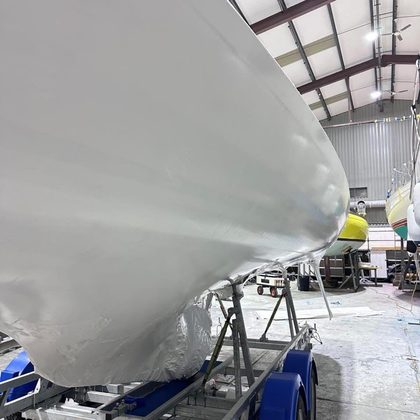
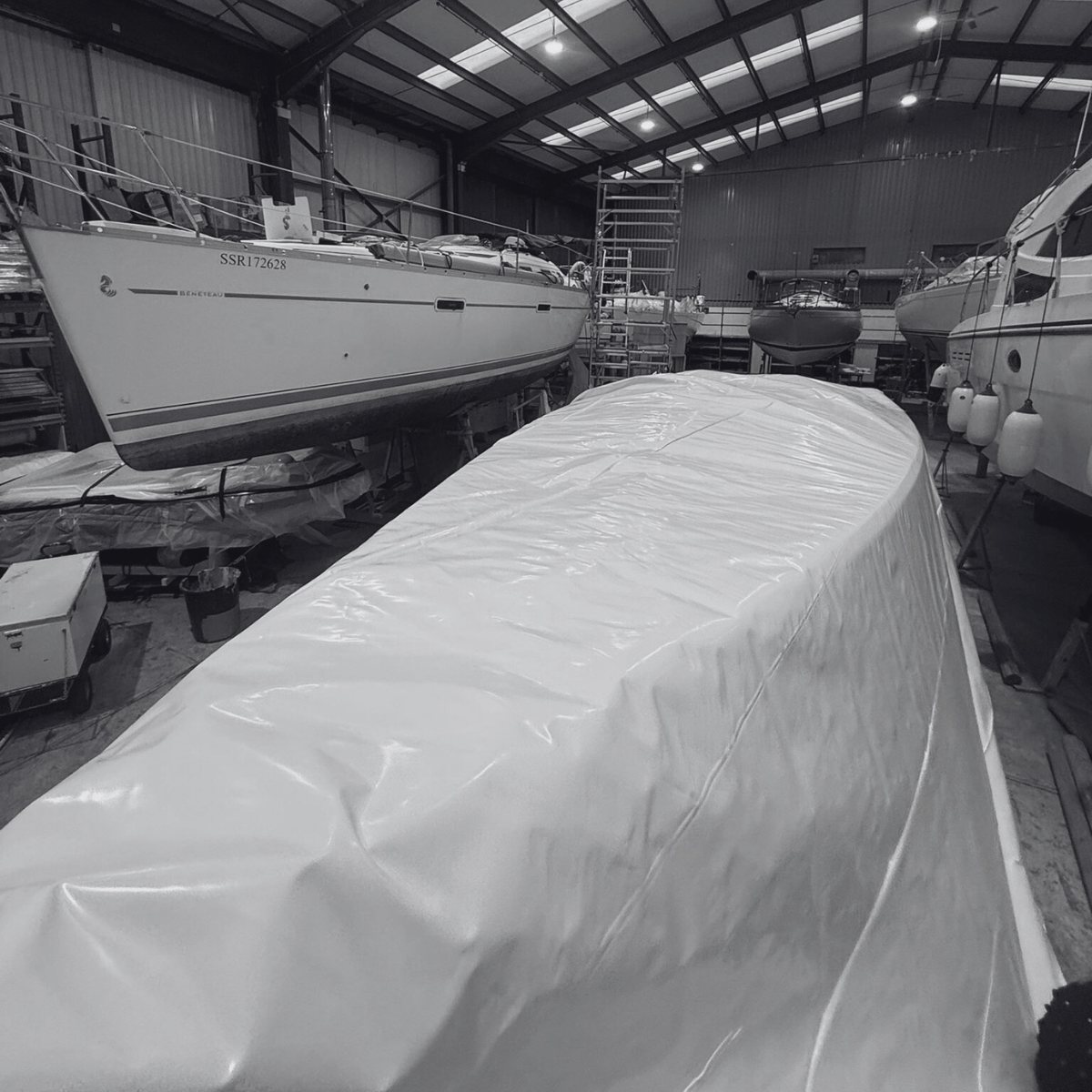
Hull wrapped tight in shrink wrap on its cradle

Why train with us?

Because a shrink wrap cover is only as good as the person fitting it. Our trainers are working installers from the Shrink Wrap UK group, which has over a decade of experience and more than 6,500 projects behind it. They teach the way the job is actually done — including the parts that make a cover last a season rather than a week.

Who it’s for

Teams that want to do it themselves

Boatyards and marinas

Cover customers’ boats in-house, to a standard you’re happy to put your name to.

Refit and paint contractors

Build your own containment and spray enclosures when the job needs one.

Scaffolding contractors

Add encapsulation and temporary roofs to what you offer.

Maintenance and industrial teams

Protect plant, machinery and stored equipment properly.

What we teach

Every part of the job — twelve modules

Nothing held back. Each course is built from these modules, weighted towards the work your team will do.

Safety first

The habits that keep people, boats and buildings safe around heat tools.

  • Heat tool and gas cylinder safety
  • Fire precautions and extinguishers
  • Working at height and on scaffolds
  • Working on boats, pontoons and in yards
  • PPE and site rules

Materials

What to use, and why, for each kind of job.

  • Film types and gauges
  • UV-stabilised and fire-retardant film
  • Tapes, strapping and banding
  • Vents, zip doors and access panels
  • Padding and protection for fragile parts

Tools and kit

Setting up, using and looking after the equipment.

  • Heat gun set-up and adjustment
  • Regulators, hoses and leak checks
  • Strapping and banding tools
  • Cutting and welding tools
  • Kit maintenance and storage

Survey and estimating

Measuring a job and working out what it needs before anyone starts.

  • Measuring vessels and structures
  • Working out film, frame and time
  • Spotting access and hazard issues
  • Writing a clear specification
  • Quoting with confidence

Framing

The part that makes a cover last — and most people skip.

  • Timber and webbing frames
  • Ridge lines that shed water and dust
  • Clearance from rails, glass and teak
  • Padding pressure points
  • Frames for rig up and rig down

Wrapping and welding

Laying film out and joining it into one skin.

  • Laying and positioning film
  • Heat-welded seams
  • Working around complex shapes
  • Avoiding laps that let dust in
  • Neat, tight finishing

Shrinking

Getting even, drum-tight tension without burns or holes.

  • Shrinking technique and sequence
  • Even tension across large panels
  • Avoiding scorching and pinholes
  • Working in heat and wind
  • Checking and correcting the finish

Ventilation

Stopping condensation and mould under the cover.

  • Why covers sweat
  • Vent placement high and low
  • Ventilating for Maltese heat
  • Desiccant for long storage
  • Inspecting for damp

Access and doors

Letting people in without breaking the cover.

  • Fitting zip doors
  • Access panels for surveyors and trades
  • Reinforcing openings
  • Clear panels for windows
  • Re-sealing after access

Securing

Making sure the cover stays put in a gregale.

  • Banding to cradles, trailers and hulls
  • Skirting covers on the hard
  • Tying in to scaffolds
  • Transport-grade securing
  • Checking after a blow

Specialist applications

Beyond the lay-up cover.

  • Refit and spray containment
  • Scaffold encapsulation
  • Temporary roofs
  • Transport and shipping covers
  • Plant and machinery

Repairs and removal

Finishing the job properly.

  • Patching and repairing covers
  • Safe, clean removal
  • Handling and taking away film waste
  • Leaving the site clean
  • Handover to the customer

Course formats

Pick a starting point

1 day

Introduction

Safety, materials, tools, framing, wrapping and shrinking on a practice piece. For teams new to shrink wrap.

Ask about this
2 days

Marine

The introduction plus boats: survey, framing over superstructure, ventilation, doors, securing ashore and afloat, containment.

Ask about this
2 days

Construction

Scaffold encapsulation, temporary roofs, fire-retardant film, tying in, and working at height.

Ask about this
Tailored

Your programme

Built around your team, your kit and your jobs — on your site, on real work where possible.

Ask about this

What your team leaves with

More than a day off the tools

  • A record of every module completed
  • A recommended kit list for your work
  • Quick-reference sheets for the yard
  • Practice on real jobs or a practice set-up
  • Follow-up support on your first jobs
  • Honest feedback on each trainee
Finished shrink wrap cover used as a training example
We’re a yard in Marsa. Can you train three of our lads to wrap customers’ boats?
Yes — two-day marine course on your hard, on real boats. Safety, framing, welding, shrinking, vents and securing. Who’s your contact?
Me. Send dates please.

Start the conversation

Tell us about your team. We’ll build the course.

Message us with how many people, what they’ll be wrapping and where you’re based. We’ll come back with a recommended course, dates and a price.

  1. Tell us who

    How many trainees, and their experience.

  2. Tell us what

    Boats, scaffolds, containment or plant.

  3. Get a plan

    Course, dates and a price, in writing.

Finished covers

What a proper cover looks like.

This is the standard we teach to: framed, vented, welded into one skin and clear of what it protects.
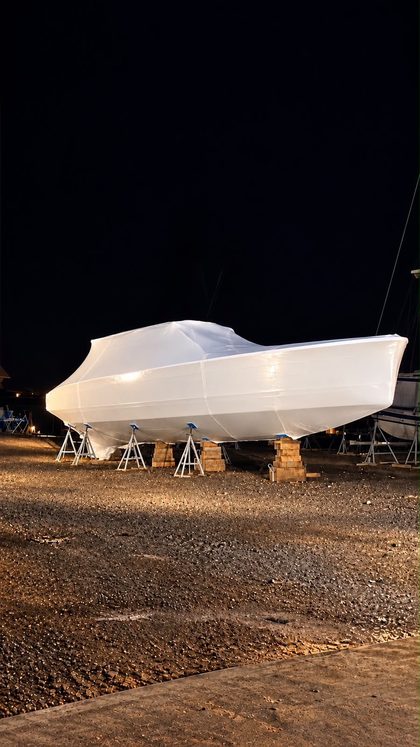
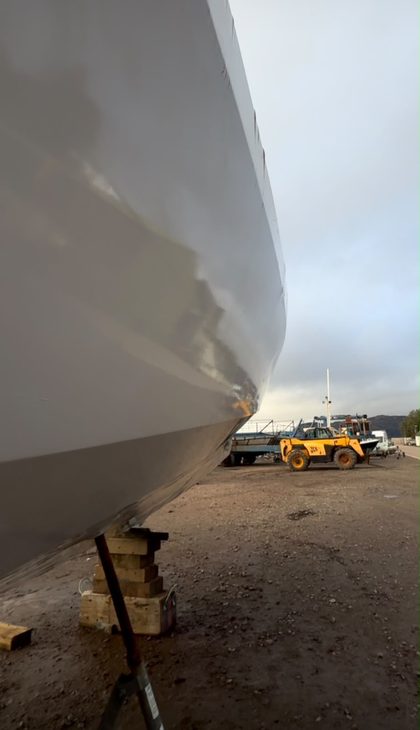
Full cover, motor yacht ashore
Shrunk tight to the hull
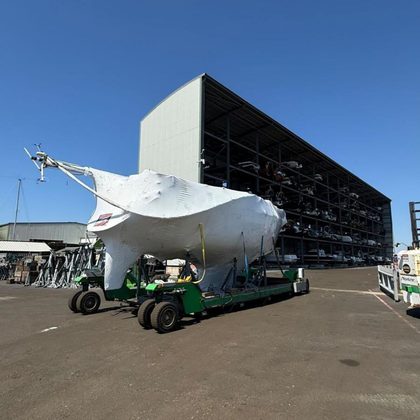
Covered for a move across the yard
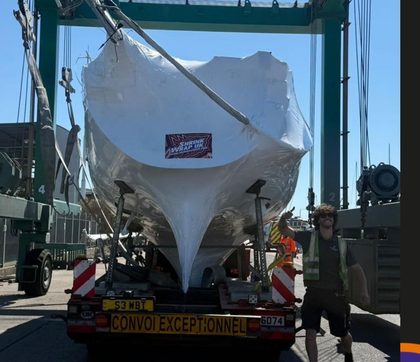
Framed bow on a superyacht
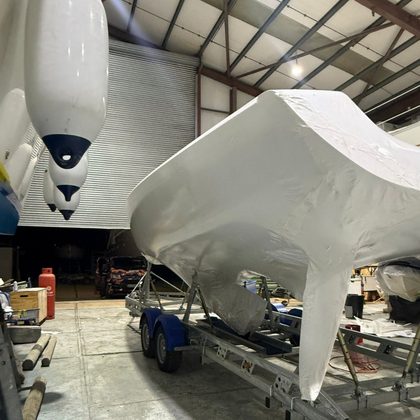
Trailer boat, framed cockpit
Lay-up covers in storage
One welded skin, no laps
Hull wrapped on its cradle

Enquire

Ask about training

Questions

Training: common questions

Who is the training for?

Boatyards and marinas, refit and paint contractors, scaffolding companies, maintenance teams and anyone starting out in shrink wrapping who wants to learn it properly.

Where does training happen?

On your site wherever possible — your yard, your boats, your scaffold — so your team learns on the work they’ll actually do. We can also arrange a practice set-up.

Is it an accredited qualification?

It’s practical training from working installers, not a formal qualification. Every trainee gets a record of the modules they’ve completed. If you need a specific accreditation, tell us and we’ll talk it through.

How many people can you train at once?

Small groups work best, because most of the learning is hands-on. Tell us how many people and we’ll recommend how to split the sessions.

Can you advise on tools and materials?

Yes. Part of the course covers kit, and we’ll give you a recommended kit list for the work your team will do.

Do you offer follow-up support?

Yes. After training, your team can send us photos and questions while they’re on their first jobs.

Get a price for training

Send a photo, the length and where she is. You’ll get a straight answer on the approach, and a fixed price after the survey.