All services Yacht & superyacht Boats & small craft Refit & yard containment Transport & shipping Lay-up & storage We also do Shrink wrap training Marinas & yards Blog About us Partners & suppliers Careers Contact

Talk to us

Get a fixed quote WhatsApp a photo Call now

Home/Blog/Ventilation in heat

Technical guide

Why ventilation matters more in heat

Why boat covers sweat, how condensation and mould start under a cover in a warm climate like Malta’s, and how vents and frames prevent them.

6 min readWritten for Malta and Gozo

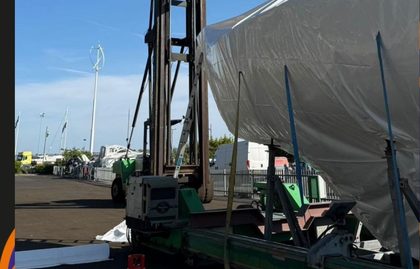
Boat under a smooth, framed shrink wrap cover

Why does a boat cover get condensation?

Warm air holds more moisture than cool air. Under a sealed cover, the air warms up during the day and picks up moisture from the boat and the bilge; at night it cools, and the moisture condenses on the coldest surfaces. In a warm, humid climate this cycle is stronger, not weaker. Vents placed high and low let the damp air escape before it condenses, which is what stops mould.

The myth: hot climates don’t need ventilation

It’s easy to assume condensation is a cold-weather problem. In Malta it’s often the reverse. Humidity is high for much of the year, daytime temperatures under a cover can be far above the night-time temperature, and that daily swing is exactly what drives condensation. A boat sealed tight with no airflow in a Maltese autumn can sweat every night.

The result is familiar to anyone who has opened up a boat after a few months: a musty smell, mould spots on headliners and cushions, damp lockers and tarnished metal.

How vents work

Warm air rises. A vent near the top of the cover lets warm, moist air out; a vent lower down lets drier air in to replace it. That creates a gentle, constant flow through the cover without letting rain, dust or wildlife in. One vent on its own does little — it’s the high-and-low pair that moves the air.

The number of vents depends on the size of the cover and the conditions. A small RIB might need two; a large yacht might need a dozen spread along its length.

The frame matters too

Film lying on the deck traps a thin layer of air against the surface where condensation collects and can’t escape. A frame holds the cover clear of the boat so air can move all the way round it. It also stops the cover touching gelcoat and teak, where trapped heat and moisture do the most damage.

Inside the boat

Ventilating the cover isn’t enough if the boat is sealed inside it. Leave internal doors and lockers open, prop up cushions and mattresses, dry the bilge and remove anything damp. Moisture absorbers inside the cabin help in the most humid months.
Step by step

Stopping condensation under a cover

  1. Dry the boat first

    Bilge pumped and dried; wet gear, towels and food removed.

  2. Frame the cover

    Film held clear of the deck so air can circulate.

  3. Vent high and low

    Pairs of vents so air flows through, not just out.

  4. Open the inside

    Lockers, doors and hatches inside the boat left open where safe.

  5. Absorb the rest

    Moisture absorbers in the cabin for the humid months.

Unvented vs vented cover

CompareVented, framed coverSealed cover on the deck
AirflowConstant, gentleNone
CondensationEscapes before it formsForms nightly
Mould riskLowHigh
Surface contactNone — frame holds it clearCover touches gelcoat and teak

Before we quote

We scan it first. Then the price doesn't move.

For lay-ups we survey once the boat is settled — on the hard or on her berth. We measure the vessel, work out the frame, the film area, the vents and the doors — and the number you get back is the number you pay. No provisional sums, no “subject to access”.

survey.shrinkwrapmalta.com/boat-cover-ventilation-heat
Survey of a 12 m sailing yacht, rig down for a shrink wrap cover
Ready to scan

Survey readout

Ventilation in heat · example survey

Vessel12 m sailing yacht, rig down
Cover area104 m²
Film250 micron, UV-stabilised white
Vents & doors6 + 1
FittingOne day, two crew
Fixed priceIn writing

Illustrative figures for a winter lay-up ashore. Your own survey happens on site — or starts from photos, if you’d rather.

Photo sent in for a shrink wrap quote
Took the cover off last spring and the cabin was full of mould. How do I stop that this year?
That’s trapped damp. This time: dry her out, frame the cover clear of the deck, vents high and low, and absorbers inside. Send photos and we’ll spec it.
Great — photos coming.

Start from your phone

Send a photo. Get a straight answer.

Not every job needs a visit to get going. Send a couple of photos and tell us where she’s laid up, ashore or afloat, and when she goes back in, and an installer will tell you what’s involved — including when shrink wrap isn’t the right call.

  1. Photograph it

    Whole item in frame, plus one close-up of the access side.

  2. Send it over

    WhatsApp or email, with where she’s laid up, ashore or afloat, and when she goes back in.

  3. We come back to you

    Approach, timescale and a price, in plain English.

Finished covers

What a proper cover looks like.

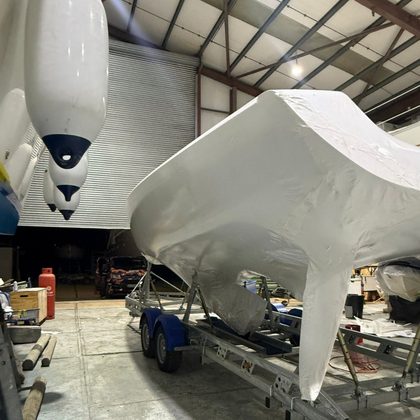
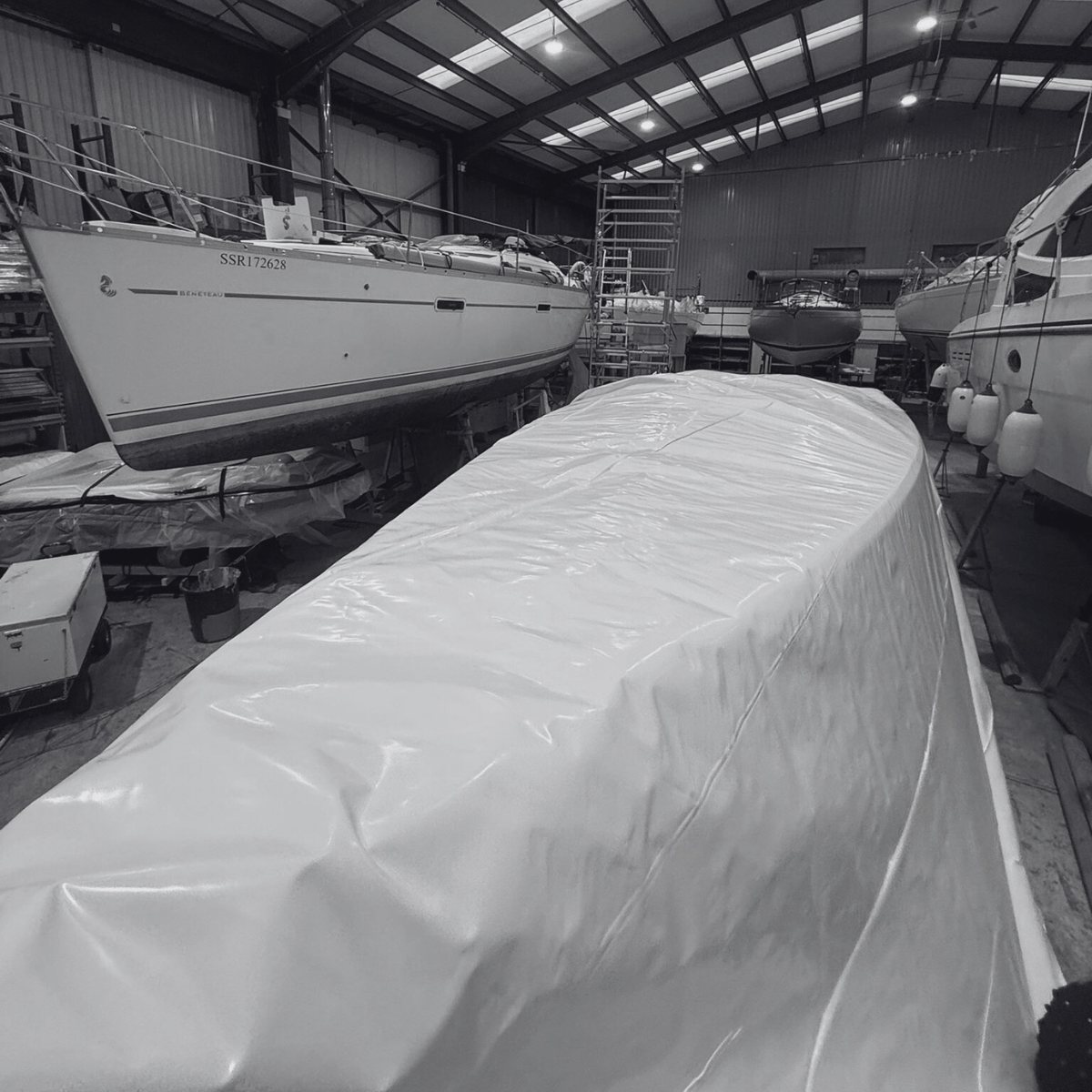
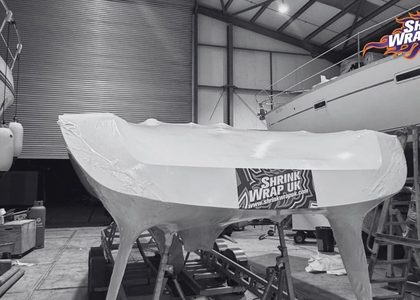
What the advice in this guide looks like in practice: framed, vented, welded into one skin and clear of the boat.

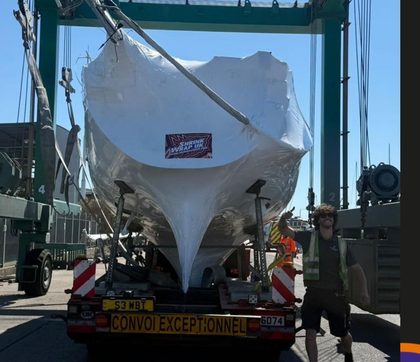
Wrapped before the lift
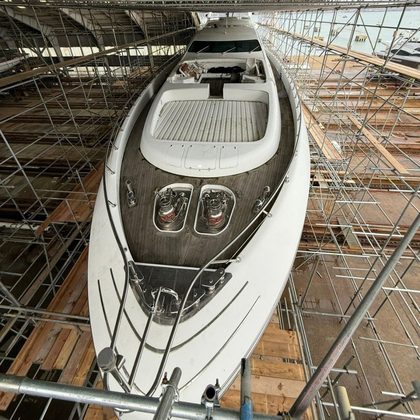
Refit enclosure under scaffold
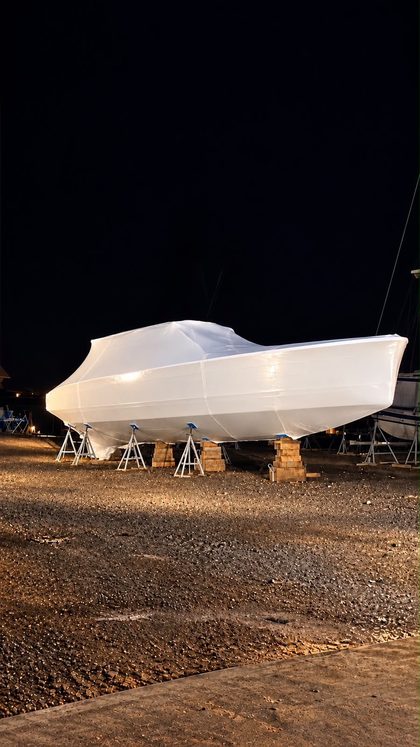
Full cover, motor yacht ashore
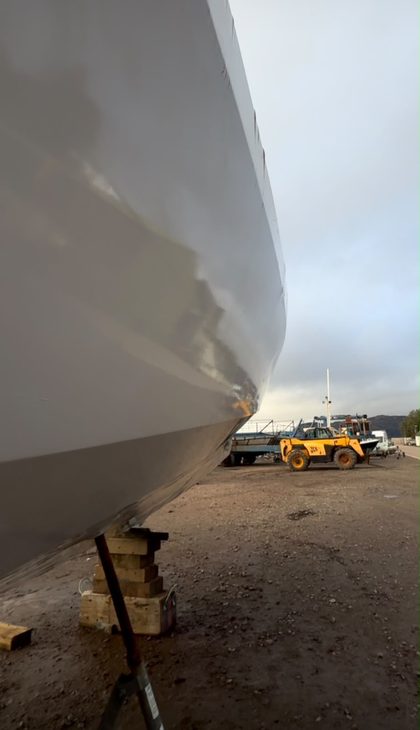
Shrunk tight to the hull
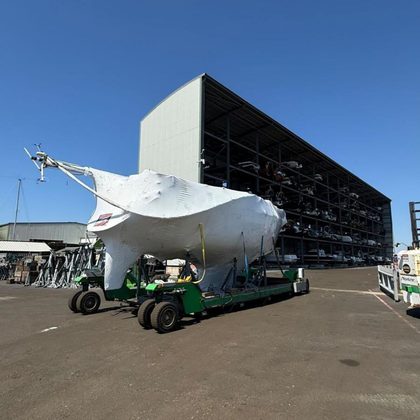
Covered for a move across the yard
Framed bow on a superyacht
Trailer boat, framed cockpit
Lay-up covers in storage

Questions

Common questions

Why does my boat smell musty after being covered?

Moisture trapped under the cover condensed and fed mould. Vents high and low, a frame and a dry boat before covering prevent it.

How many vents does a boat cover need?

It depends on size. Small boats might need two; large yachts many more spread along the length. The key is having them high and low.

Do vents let dust in?

Vents are positioned away from the prevailing wind and under the cover’s overhang, so air moves through without letting much dust or rain in.

Should I leave the hatches open under the cover?

Internal doors and lockers, yes. Deck hatches only if the cover is fully sealed above them and nothing can get in.

Get a price for your boat

Send a photo, the length and where she is. You’ll get a straight answer on the approach, and a fixed price after the survey.