All services Yacht & superyacht Boats & small craft Refit & yard containment Transport & shipping Lay-up & storage We also do Shrink wrap training Marinas & yards Blog About us Partners & suppliers Careers Contact

Talk to us

Get a fixed quote WhatsApp a photo Call now

Home/Blog/Sun, salt and Saharan dust

Protection guide

Sun, salt and Saharan dust

How to protect a yacht or boat from UV, salt spray and Saharan dust in Malta — what each does to gelcoat, teak and canvas, and what actually stops it.

7 min readWritten for Malta and Gozo

Yacht bow under a white shrink wrap cover against a blue sky

How do you protect a yacht from sun and dust in Malta?

Keep it covered when it isn’t being used. In Malta the damage comes from three things — strong UV, salt carried on the wind and Saharan dust brought by the xlokk — and all three land on exposed surfaces. A sealed, light-coloured cover that sits clear of the deck and is vented stops all three, while regular rinsing and UV-protective treatments slow the damage on surfaces you can’t cover.

Why Malta is hard on boats

Northern European boat care is built around rain and frost. Malta’s problems are different. The summer sun is intense and the season long, so UV does in one Maltese summer what it might take several years to do further north. The sea air is salty all year. And several times a year the xlokk — the south-easterly sirocco — carries fine Saharan dust across the islands, sometimes falling with rain as the red-brown “mud rain” every boat owner here recognises.

None of these cause sudden failure. They cause slow, expensive wear: faded and chalky gelcoat, grey and cracked teak, rotten stitching, brittle canvas, sticky winches and a fine grit that works its way into everything.

What UV actually does

Ultraviolet light breaks down the resins, oils and dyes in almost every material on a boat. Gelcoat loses its gloss and turns chalky. Teak dries, greys and opens up along the grain. Canvas and the thread that holds it lose strength long before they look worn — which is why sprayhoods and covers tear suddenly along their seams. Upholstery fades and cracks, and clear plastic windows yellow and craze.

Wax, UV-protective sprays and teak treatments slow this down, but they need reapplying through the season. Shade is what really stops it.

Salt and Saharan dust

Salt crystals are abrasive and hold moisture. Left on deck hardware, they speed up corrosion; left on non-slip, they make it harder to clean; left in stitching, they rot the thread. Saharan dust is finer still and slightly acidic when wet. It settles into non-slip, teak grain and canvas weave, and when it falls with rain it leaves a stubborn film over every horizontal surface.

The usual answer is a freshwater rinse after every trip and after every dusty spell. That works when you’re on the boat. It doesn’t when the boat is sitting unattended for weeks or months — which is exactly when most of the damage happens.

What stops all three

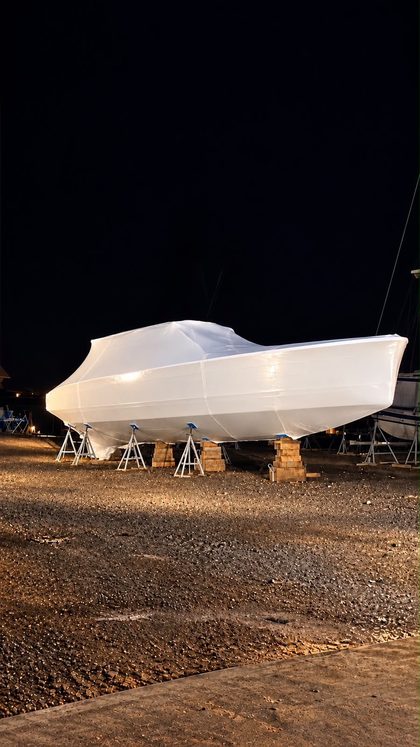
A cover that does three things: shades the whole boat, seals out dust and salt, and lets the boat breathe. Light-coloured materials reflect heat rather than absorbing it. A frame holds the cover clear of the deck so it doesn’t rub or trap heat against the gelcoat. And vents let warm, damp air escape so the inside doesn’t sweat.

For a boat that will sit for a season, a shrink wrap cover does this well: white UV-stabilised film over a frame, welded into one skin so there are no laps for dust to blow through, with vents high and low. For a boat in regular use, a well-made canvas cover on the parts that suffer most — helm, seating, sprayhood — is the practical answer between trips.
Step by step

A simple routine for a boat in use

  1. Rinse after every trip

    Fresh water over decks, hardware and canvas, especially after a windy or dusty day.

  2. Cover the soft stuff

    Helm covers, cushion covers and a sprayhood cover take the worst of the sun between trips.

  3. Treat what you can’t cover

    Wax gelcoat and treat teak before summer, then top up mid-season.

  4. Cover fully when idle

    If the boat will sit for more than a few weeks, cover the whole boat rather than parts of it.

How the options compare

CompareShrink wrap coverCanvas coversRinse and treat only
UVWhole boat shadedCovered areas shadedSlowed, not stopped
Saharan dustSealed outCovered areas onlyRemoved after it lands
SaltKept offCovered areas onlyRinsed off
Best forBoat idle for a seasonBoat in regular useBoat used and rinsed weekly

Before we quote

We scan it first. Then the price doesn't move.

For yachts we survey aboard with the owner, captain or manager, at the berth or in the yard. We measure the vessel, work out the frame, the film area, the vents and the doors — and the number you get back is the number you pay. No provisional sums, no “subject to access”.

survey.shrinkwrapmalta.com/protect-yacht-uv-salt-saharan-dust
Survey of a 28 m motor yacht for a shrink wrap cover
Ready to scan

Survey readout

Sun, salt and Saharan dust · example survey

Vessel28 m motor yacht
Cover area264 m²
Film300 micron, UV-stabilised white
Vents & doors12 + 3
FittingTwo days, four crew
Fixed priceIn writing

Illustrative figures for a 28 m motor yacht. Your own survey happens on site — or starts from photos, if you’d rather.

Photo sent in for a shrink wrap quote
Boat in Msida gets covered in that red dust every time the wind turns. Anything that actually stops it?
If she’s sitting for a while, a sealed cover — welded, no laps for dust to blow through, vented so she doesn’t sweat. Send a photo and the length.
On its way.

Start from your phone

Send a photo. Get a straight answer.

Not every job needs a visit to get going. Send a couple of photos and tell us the yacht’s length, where she’s berthed and what you want covered, and an installer will tell you what’s involved — including when shrink wrap isn’t the right call.

  1. Photograph it

    Whole item in frame, plus one close-up of the access side.

  2. Send it over

    WhatsApp or email, with the yacht’s length, where she’s berthed and what you want covered.

  3. We come back to you

    Approach, timescale and a price, in plain English.

Finished covers

What a proper cover looks like.

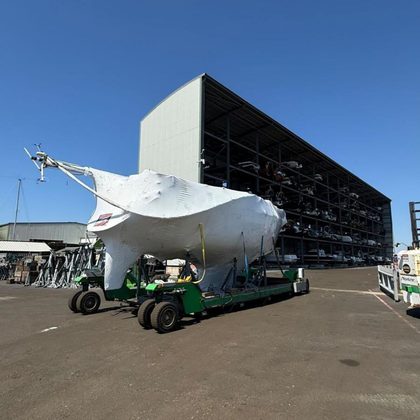
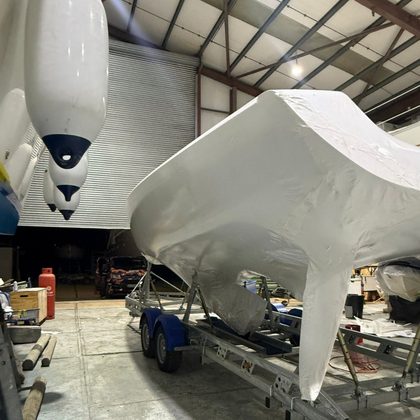
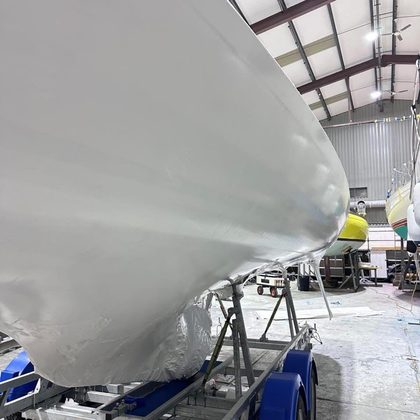
What the advice in this guide looks like in practice: framed, vented, welded into one skin and clear of the boat.

Full cover, motor yacht ashore
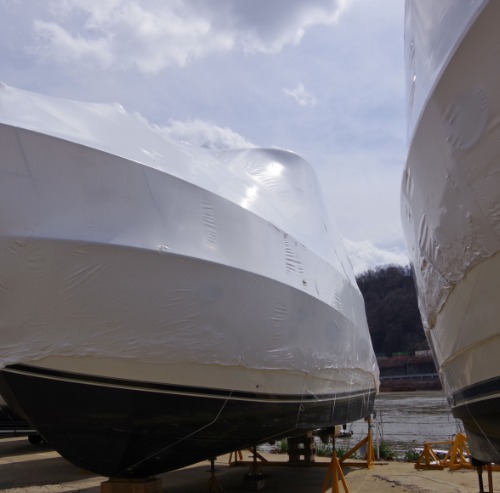
Shrunk tight to the hull
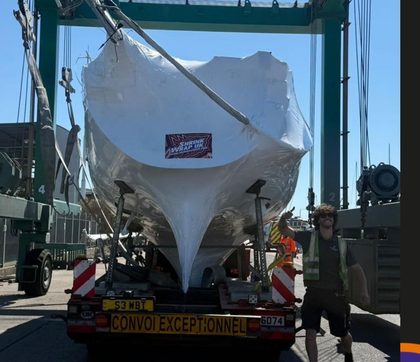
Covered for a move across the yard
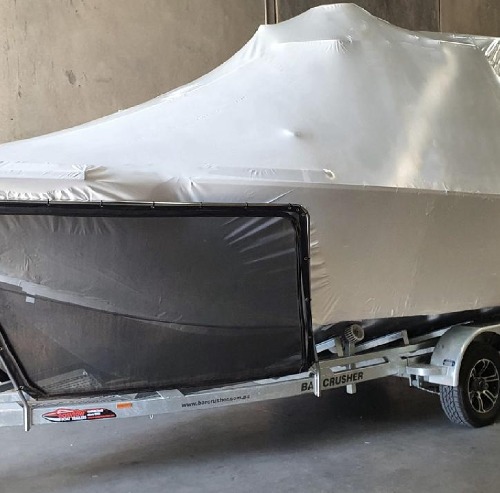
Trailer boat, framed cockpit
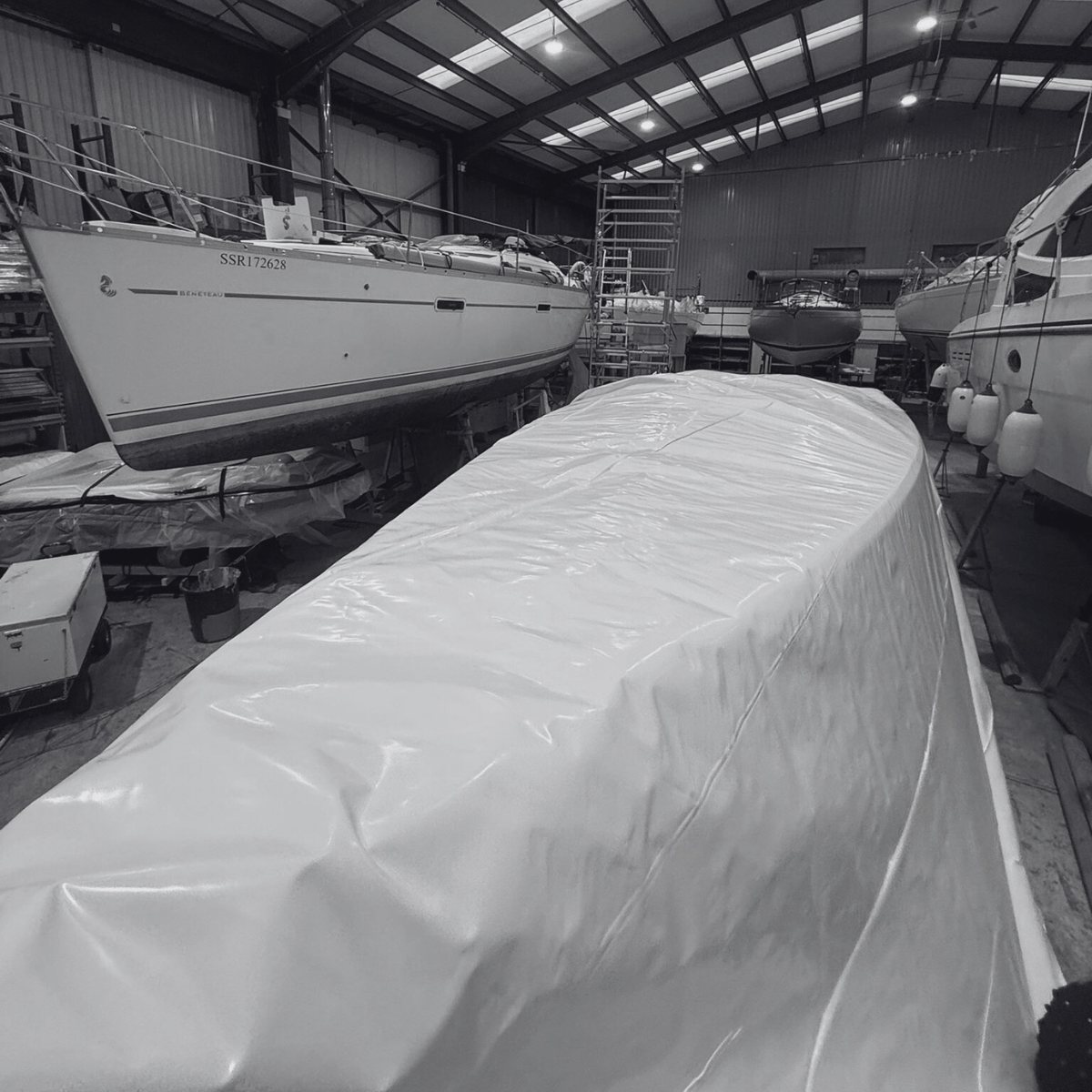
Lay-up covers in storage
Hull wrapped on its cradle
Clear panel for the windscreen
Small craft, winter covers

Questions

Common questions

Does Saharan dust damage gelcoat?

It’s fine and slightly abrasive, and when it falls with rain it leaves a film that can etch into a neglected finish. Rinsing it off promptly — and keeping it off with a cover when the boat is idle — prevents most of the harm.

Is a white or dark cover better in the Maltese sun?

White or light. Dark covers absorb heat and can raise the temperature underneath considerably; white reflects most of it.

How often should I rinse my boat in Malta?

After every trip, and after any dusty spell or strong wind even if you haven’t been out. Salt and dust do the most harm when they sit.

Will a cover make my boat hotter?

A dark tarp lying on the deck can. A light, framed and vented cover keeps the boat cooler than leaving it in full sun.

Get a price for your boat

Send a photo, the length and where she is. You’ll get a straight answer on the approach, and a fixed price after the survey.