All services Yacht & superyacht Boats & small craft Refit & yard containment Transport & shipping Lay-up & storage We also do Shrink wrap training Marinas & yards Blog About us Partners & suppliers Careers Contact

Talk to us

Get a fixed quote WhatsApp a photo Call now

Home/Blog/Planning yard containment

For yards and contractors

Planning a refit enclosure

A practical guide to planning containment for boat sanding, spraying, antifouling and blasting on a hard standing — size, access, extraction and film.

8 min readWritten for Malta and Gozo

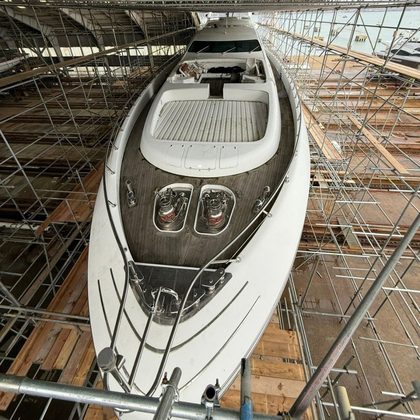
Yacht inside a scaffold enclosure during refit work

What do you need to plan a containment enclosure?

Five things: the size of the working space around the hull, how people and materials get in and out, how air and fumes are extracted, how much light the work needs, and which film the job and the yard require — usually fire-retardant for spraying and hot work. Agree these with the contractor before the enclosure goes up, because changing them afterwards means rebuilding it.

Start with the work, not the boat

An enclosure is a workspace. The question isn’t how big the boat is but what is going to happen inside it. A topside respray needs staging along both sides and room to move with a spray gun. Antifouling needs access right down to the keel and the stands. Blasting needs a sealed base and controlled entry. A spot repair might only need a box around the transom.

Talk to whoever is doing the work about their staging, their equipment and how many people will be inside at once. That sets the height, width and length of the enclosure far more than the boat’s dimensions do.

Access, extraction and light

Plan the door first: where materials arrive, where people go in and out, and whether a door needs to be big enough for a lift or a pallet. Then extraction: spraying needs somewhere for fumes and overspray to go, so agree where the extraction ducts enter and leave the enclosure and build ports for them.

White film lets a lot of daylight through, which is often enough for preparation work. Painters usually want additional lighting for colour and finish — plan cable entry points for it rather than running leads under the edge of the film, which breaks the seal.

Sealing the base

Most dust escapes at ground level. A good enclosure is sealed down to the hard standing, with the film weighted or fixed so it can’t lift. This matters most for blasting and for sanding antifouling, where the waste is both messy and something the yard will want contained and collected.

Working with the yard

The yard sets the rules: where enclosures are allowed, which contractors may work, hot works permits, waste handling, and how the enclosure must be removed. Agree all of this before work starts. A yard is far more relaxed about an enclosure it was consulted on than one that appears overnight.
Step by step

Containment planning checklist

  1. Define the work

    Sanding, filling, spraying, antifouling or blasting — and which parts of the boat.

  2. Set the space

    Staging, headroom and working width around the hull, agreed with the contractor.

  3. Plan the openings

    Doors for people and materials; ports for extraction and lighting cables.

  4. Choose the film

    Fire-retardant for spraying and hot work; confirm the grade in writing.

  5. Seal the base

    Down to the ground, weighted or fixed, especially for blasting and antifouling.

  6. Agree removal

    When it comes down, who clears it, and where the waste goes.

Enclosure types at a glance

CompareSectionFull hullBlasting
UseSpot repairs, transoms, decksFull resprays, antifoulingGrit and media blasting
BaseSealed around the sectionSealed to groundSealed and reinforced
AccessSmall doorDoors for people and materialsControlled single entry
FilmStandard or fire-retardantFire-retardant for sprayingHeavier specification

Before we quote

We scan it first. Then the price doesn't move.

For containment we survey with the yard and the contractor, so the enclosure suits the work inside it. We measure the vessel, work out the frame, the film area, the vents and the doors — and the number you get back is the number you pay. No provisional sums, no “subject to access”.

survey.shrinkwrapmalta.com/refit-containment-planning
Survey of a 18 m motor yacht, full enclosure for a shrink wrap cover
Ready to scan

Survey readout

Planning yard containment · example survey

Vessel18 m motor yacht, full enclosure
Cover area356 m²
Film300 micron, fire-retardant
Vents & doors2 + extraction
FittingTwo days, three crew
Fixed priceIn writing

Illustrative figures for a full respray enclosure. Your own survey happens on site — or starts from photos, if you’d rather.

Photo sent in for a shrink wrap quote
We’ve got an antifoul and a topside respray on a 16 m next month. Shed’s full. Can we do it outside?
Yes — full enclosure to ground, fire-retardant film, extraction ports and lighting entries planned with your painter. Can we walk it this week?
Thursday morning works.

Start from your phone

Send a photo. Get a straight answer.

Not every job needs a visit to get going. Send a couple of photos and tell us the boat, the yard, and whether it’s sanding, spraying or blasting, and an installer will tell you what’s involved — including when shrink wrap isn’t the right call.

  1. Photograph it

    Whole item in frame, plus one close-up of the access side.

  2. Send it over

    WhatsApp or email, with the boat, the yard, and whether it’s sanding, spraying or blasting.

  3. We come back to you

    Approach, timescale and a price, in plain English.

Finished covers

What a proper cover looks like.

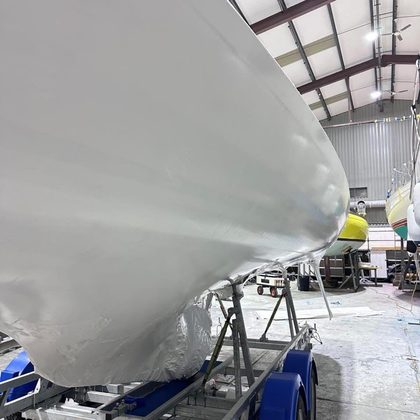
What the advice in this guide looks like in practice: framed, vented, welded into one skin and clear of the boat.

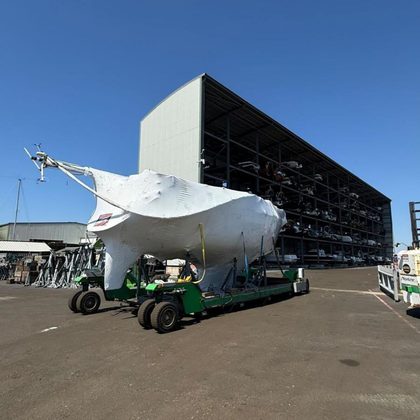
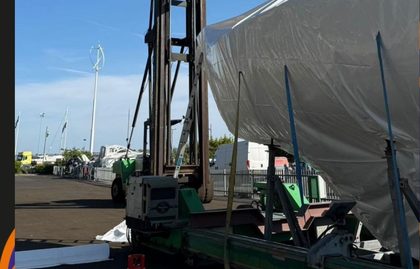
Covered for a move across the yard
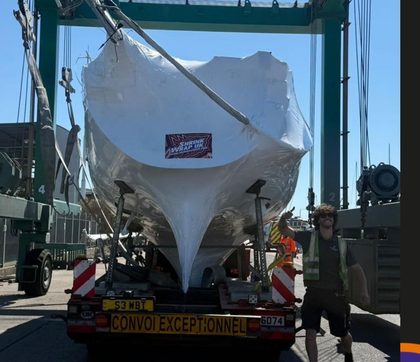
Framed bow on a superyacht
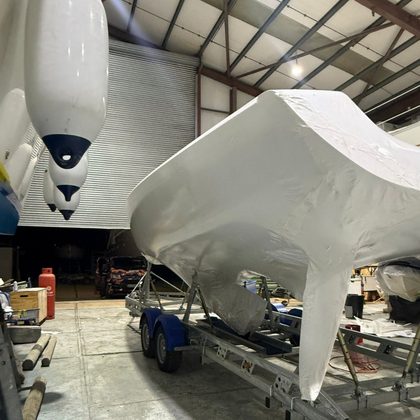
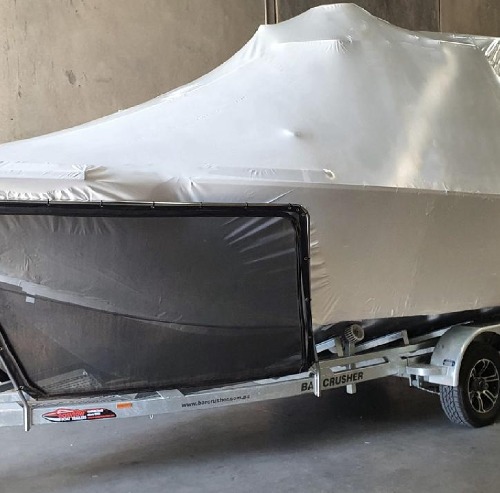
Trailer boat, framed cockpit
Lay-up covers in storage
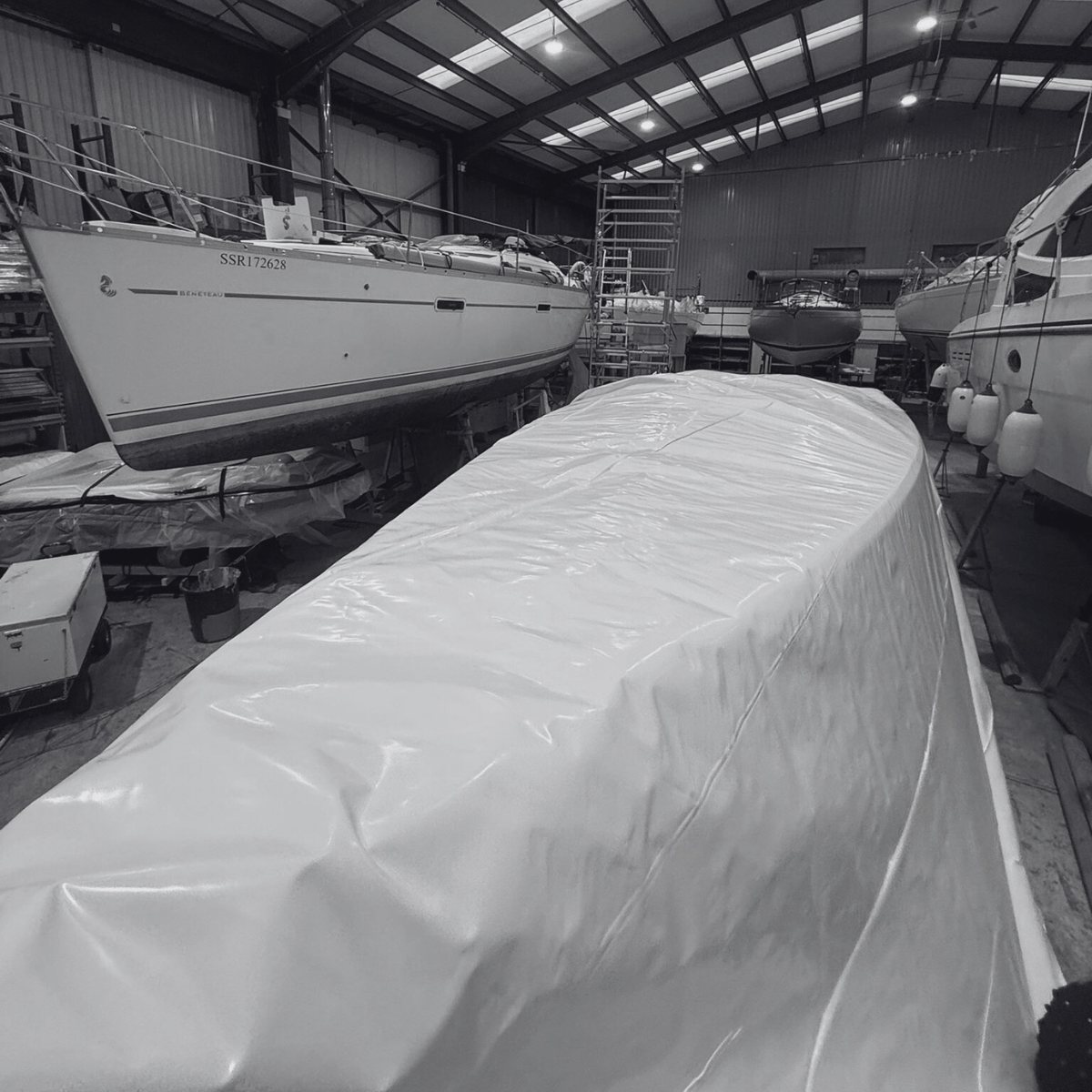
One welded skin, no laps
Clear panel for the windscreen
Small craft, winter covers
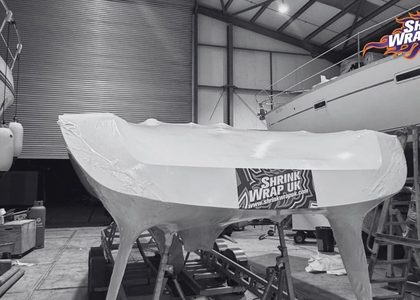
Sailing yacht, ridge frame

Questions

Common questions

Can a shrink wrap enclosure be used as a spray booth?

Yes, as a temporary one. It keeps wind, dust and weather out and overspray in. Extraction and fire-retardant film are planned in from the start.

How long does it take to put up?

It depends on size and complexity. A section enclosure can be done in hours; a full hull enclosure on a large yacht usually takes a day or two.

Who is responsible for permits?

The yard and the contractor doing the work handle hot works and similar permits. We build to whatever the site requires.

What happens to the film afterwards?

It’s cut away in one session, bagged and taken away, so the yard gets its space back clean.

Get a price for your boat

Send a photo, the length and where she is. You’ll get a straight answer on the approach, and a fixed price after the survey.